Thursday, April 25, 2024

Growing Beyond Rejection


Rejection. It happens to all of us. We hate it. Rejection can test our resolve, create self-doubt, and could lead to depression. And considering agents and publishers are often overwhelmed with submissions, the form letters that writers often receive don't provide desired feedback to propel them forward. 

So, how can writers grow beyond the pain of rejection? Here are a few tips to help you look forward instead of backward.

Give yourself time to grieve, just not too much.

You spent months, maybe years crafting a manuscript you felt ready for submission. Then the swift rejection comes, and it hurts. Instead of that Sally Field, "you like me" Oscars moment, you feel like your work never even garnered the attention of the nominating committee. 

It's okay to grieve for a day or two. Show yourself some compassion, just like you would to a friend if the same shoes were on their feet. Then it's time for action.

Write a letter about how you feel or journal through the experience.

After one recent rejection, I opened my online journal and just let it all out. Taking the time to write or type out your true feelings allows you to express them without judgement or repercussions. 

Take time to write down or journal about your writing strengths. This allows you to focus on the positives. 

Switch gears.

Maybe you need a couple of days away from this manuscript. What can you do in the interim so you come back to the project energized? Write something new. Exercise. Take walks and observe nature. Have breakfast or lunch with a friend. 

Look forward.

If the rejection letter provides feedback, consider those comments. What can you glean from them? Is there still work to do? Put together a plan to accomplish that work. 

Make sure you continue to research new markets where you can submit your manuscript. Revise your query letter so it is ready for those new submissions. 

A rejection doesn't define you or your writing. Growing beyond the rejection by finding an outlet for your feelings and putting together an action plan will put you on a forward path.


Cheryl C. Malandrinos is a freelance writer and award-winning editor. She is the author of four children’s books including, A Christmas Kindness, released by 4RV Publishing. A blogger and book reviewer, she is a member of SCBWI and lives in Massachusetts with her husband and three adult children. Visit Cheryl's website at https://ccmalandrinos.com or her children’s book blog at https://childrensandteensbookconnection.wordpress.com

Wednesday, April 10, 2024

Increase Writing Productivity with Friction


Photo credit: freepik.com

In her 2019 book, Good Habits, Bag Habits: The Science of Making Positive Changes Stick, social psychologist Wendy Wood discussed how she used experience sampling to discover that 43% of our daily actions are habitual. Wood believes that the key to changing habits is to modify our environment to create or remove "friction," which makes the old way of doing things less desirable than the new way. 

So, how could that work in our writing world? 

Example One: Remove friction by focusing on writing.

You sit down for 30 minutes to write. You come to a place in the chapter where you must describe a clothing item from the 1900s, but you need a visual aid.

Old Habit: Hop on the internet and research that item.

You look up half an hour later, because you know we often get lost in research, and notice you've used all your writing time.

New Habit: Type a reminder of what you need to research inside a set of brackets and highlight it so you can find it easier when you have time for research. 

Example Two: Remove friction by reducing distractions.  

You get up an hour early to write before the kids get up. 

Old Habit: Sit down at your desk and quickly check your email (so that is out of the way for later). 

Checking email then leads to looking at your notifications, checking the weather, etc. By the time you finish up, you hear the little one across the hall stirring, so writing time is done. 

New Habit: Take a pad and paper or a device in airplane mode to a quiet spot and use a timer so you write until you hear the chime. 

Example Three: Create friction by making it harder to snack so it doesn't reduce your energy levels.

Since you enjoy snacking while you write, you have some snacks on the nearby filing cabinet. 

Old Habit: Snack while writing and soon notice your energy levels waning.

New Habit: Keep snacks out of your writing space and write using a timer or by setting a specific word count so you don't snack until you're done.

What are some ways you can create or remove friction in your environment to increase productivity?


Cheryl C. Malandrinos is a freelance writer and award-winning editor. She is the author of four children’s books including, A Christmas Kindness, released by 4RV Publishing. A blogger and book reviewer, she is a member of SCBWI and lives in Massachusetts with her husband and three adult children. Visit Cheryl's website at https://ccmalandrinos.com or her children’s book blog at https://childrensandteensbookconnection.wordpress.com

Tuesday, March 26, 2024

First Quarter Writing Goals Review

It's hard to believe the first quarter of 2024 is almost done. At the beginning of the year, you set your writing goals. Now, it's time to reflect on how you did. Some questions to ask yourself are:
  • What did I accomplish?
  • How did I handle the obstacles that came my way?
  • Are there tasks carrying over into the next quarter?
I also find it helpful to ask the following question: If I had a magic wand, what would my writing life look like? 

Why a magic wand? Because magic wands summon infinite powers. They unleash possibilities. 

Pretend that you're Cinderella toiling away day after day just wishing and hoping for that one thing. Suddenly, Fairy Godmother appears, and she will grant you the one wish you want most. Poof! You are living your dream writing life.

Sometimes, we allow our routines, obstacles, and bad habits to keep us from what we want most. However, if we can imagine it, we can create it. How? By focusing on that one thing. 

As we proceed through the year, we will talk more about this topic. You have the power to make your dreams come true!


Cheryl C. Malandrinos is a freelance writer and award-winning editor. She is the author of four children’s books including, A Christmas Kindness, released by 4RV Publishing. A blogger and book reviewer, she is a member of SCBWI and lives in Massachusetts with her husband and three adult children. Visit Cheryl's website at https://ccmalandrinos.com or her children’s book blog at https://childrensandteensbookconnection.wordpress.com

Friday, January 26, 2024

Productive Ways to Take A Break from Writing


Photo credit: lookstudio on Freepik

The year has just started. How can we be talking about a break already?

The seasons of a writer's life don't always follow the calendar. Maybe last year you cranked out a bunch and just need to sit back and relax for a week or two. Maybe your non-writing life is temporarily pulling you in a different direction. 

No matter the reason or length of the time, there are ways to be productive during a writing break.

Self-care 

Some writers are fitting writing into their schedules while balancing another career. Burn out and physical exhaustion become all too real. When you are that tapped out, creativity suffers. Taking care of yourself during those periods will refresh and rejuvenate you. Here are some self-care ideas:

  • Schedule a monthly massage
  • Take a yoga class
  • Engage in 10-minute workouts
  • Take a vacation or go away for a weekend 

Fill your creative well

Creativity is a strange. Some days, it's like spending time with your best friend at the playground. Everything clicks. You have fun together. You enjoy each other's company. You don't seem to have enough hours to accomplish all you want to. Then there are other days when creativity grabs its ball and storms off the field to go hide, and no matter how you try to coax it out, there is no way it is coming to play. Here are some ideas to fill your creative well:

  • Get together with a fellow writer 
  • Explore a new hobby
  • Change your routine
  • Visit a museum or art gallery for inspiration

Write something else

Last year, I wrote a novel in a genre I had never explored as a writer. It was the most exhilarating experience. It inspired me to apply what I learned to a work in progress that had stalled. These are some other ideas:

  • Try your hand at fanfiction
  • Explore journaling
  • Start a blog
  • Create an author newsletter

Taking a break from writing doesn't mean giving it up forever. It doesn't mean you've failed. Taking a break means you realize you need to step back temporarily. Using that time productively will allow you to return to your writing with a stronger zest to accomplish your goals. 


Cheryl C. Malandrinos is a freelance writer and award-winning editor. She is the author of four children’s books including, A Christmas Kindness, released by 4RV Publishing. A blogger and book reviewer, she is a member of SCBWI and lives in Massachusetts with her husband and three adult children. Visit Cheryl's website at https://ccmalandrinos.com or her children’s book blog at https://childrensandteensbookconnection.wordpress.com

Tuesday, January 9, 2024

Reflecting on Your Writing Year


Every year about this time, I get to thinking about my writing year. 
  • How did I do?
  • What did I accomplish?
  • How did I handle the obstacles that came my way?
  • Are there tasks I am carrying over into the new year?
Such a reflection allows you to celebrate the milestones and identify areas for improvement. Whether you make a bulleted list, write a letter to yourself, or post an entry in your journal, reflective writing will move you forward as a new year begins. 

What are some of last year's writing accomplishments you are proud of? What is a goal you are setting for 2024? 


Cheryl C. Malandrinos is a freelance writer and award-winning editor. She is the author of four children’s books including, A Christmas Kindness, released by 4RV Publishing. A blogger and book reviewer, she is a member of SCBWI and lives in Massachusetts with her husband and three adult children. Visit Cheryl's website at https://ccmalandrinos.com or her children’s book blog at https://childrensandteensbookconnection.wordpress.com

Tuesday, December 26, 2023

Happy New Year!: Writing Resolutions for 2024


The new year is almost here. Maybe you're contemplating your new year's resolutions right now. Many of us set the usual ones: eat healthier, exercise more, reduce stress. It is also a good time to consider your writing resolutions. Though you can do this any time throughout the year, January often inspires and motivates us. 

Here are some resolutions for writers:

Read More

Reading is a more fun way of saying market research. Read, especially in the genre you write, so you can learn what is selling well in your genre and where your book would fit into the market. This will also allow you to check out book covers and titles and how these books are marketed. While there is more to market research than this, reading more books is a good start.

Create a Regular Writing Schedule

Creating a regular writing schedule encourages the discipline of writing. If it didn't work, why would NaNoWriMo be so popular? The reason I don't say create a daily writing schedule is because that might not be realistic for everyone. But, whether you have one day, three days, or seven days available to write each week, sticking to your schedule will encourage you to write more.

Find an Accountability Partner

Often called writing buddies, these fellow writers keep us accountable and help us reach our goals. When I joined a local writing group, we were expected to bring a chapter with us to read each meeting. No one wanted to be the person without a chapter. Regular check-ins with your accountability partner will keep you on track.

What are some writing resolutions you are setting for 2024? How are you planning to succeed in the new year?


Cheryl C. Malandrinos is a freelance writer and award-winning editor. She is the author of four children’s books including, A Christmas Kindness, released by 4RV Publishing. A blogger and book reviewer, she is a member of SCBWI and lives in Massachusetts with her husband and three adult children. Visit Cheryl's website at https://ccmalandrinos.com or her children’s book blog at https://childrensandteensbookconnection.wordpress.com

Wednesday, December 13, 2023

Creating A Startup or Business Plan for Your Writing Career


Image by rawpixel.com on Freepik


If you decided to start a small business, one of the initial steps would be to create a detailed business plan that would include the business concept, product and services, marketing, operations, organization and management, financial planning, and industry growth. 

So, why do so many writers skip this important aspect of starting and planning a writing career? 

In order for any business to succeed, there has to be a written plan. Now, that plan can change over time, but few entrepreneurs succeed by treating their businesses like a pot of spaghetti cooking on the stove: throwing a noodle at the wall to see if it sticks. 

The startup plan is a trimmer version of a business plan. Since a writing business may be simpler in nature than other types of businesses--at least in terms of what needs to be considered--this approach might be helpful. 

A startup plan will include:

  • Goals - S.M.A.R.T. goals to provide direction and motivation
  • Resources - capital, technology, personnel, and time
  • Market analysis - knowing your target market and how to reach them
  • Competition analysis - understanding your competition and how to set yourself apart
  • Financials - money needed to start, projected income, and projected expenses

Even if you are well into your writing career and want to increase your income potential, a streamlined plan could be helpful. 

Now is the perfect time to put together your 2024 business or startup plan. You can find a multitude of examples and some free templates online to help. 


Cheryl C. Malandrinos is a freelance writer and award-winning editor. She is the author of four children’s books including, A Christmas Kindness, released by 4RV Publishing. A blogger and book reviewer, she is a member of SCBWI and lives in Massachusetts with her husband and three adult children. Visit Cheryl's website at https://ccmalandrinos.com or her children’s book blog at https://childrensandteensbookconnection.wordpress.com

Wednesday, November 22, 2023

NaNoWriMo Lessons


NaNoWriMo is nearly 75% over. Shocking how quickly time goes by. How are you doing with your writing? Did you decide to participate? Did you plot it out or come up with an idea and run with it? 

Admittedly, I've never been a huge fan, but there is so much to gain if you commit to writing for thirty days. 

Planning 

Maybe some writers can have an idea in their heads and run with it. I'm not sure there are many of those out there who are successful. After all these years of being a total panster, I've discovered sometimes you need more than just the idea or a few character sketches.

This year's approach involved following a process of creating a synopsis, scene settings, a list of characters and their story arcs; outlining the plot, subplots, and inciting incidents; and then developing numerous scenes, so that when writing began, the words flowed easier.

Discipline

It can take an average of 30 to 60 days to change a bad habit, and longer than two months to create a habit. When you have only 30 days to reach 50,000 words, you need to hit 1,667 daily or be willing to make up the gap the next day. 

Daily writing has numerous benefits. It helped me write faster than ever before, even if I am still slower than I would like. Other known benefits include:

  • Becoming more aware of overused words and phrases
  • Learning what your writing style is
  • Giving you a sense of accomplishment
  • Potentially making you more money
Community

Writing can be a solitary task. Critique groups serve their purpose, but with NaNoWriMo you can have buddies to cheer you on. This is something I encourage you to find even after NaNoWriMo is over. 

Whether you participated this year or not, here's hoping you are developing a plan to increase your productivity in 2024 with daily writing. 


Cheryl C. Malandrinos is a freelance writer and award-winning editor. She is the author of four children’s books including, A Christmas Kindness, released by 4RV Publishing. A blogger and book reviewer, she is a member of SCBWI and lives in Massachusetts with her husband and three adult children. Visit Cheryl's website at https://ccmalandrinos.com or her children’s book blog at https://childrensandteensbookconnection.wordpress.com

Wednesday, November 8, 2023

Writing Inspiration and Check-in


Picture credit rawpixel at freepik.com 


How's your writing going? Are you participating in NaNoWriMo this month or any other type of writing event? Though writing can often be a solitary task, the great thing about social media is that writing communities are right at your fingertips. Not all of them are free, but they can help with the isolation writers feel from time to time. 

The other wonderful thing you can find on social media is writing news: new books, writers talking about the representation agreements they just signed, book birthdays, book giveaways, and even writers talking about queries that have gone nowhere.

Now, before you think I'm encouraging you to waste your writing time on internet browsing, I'm only sharing it because we all need to connect with fellow writers from time to time and read some news to inspire us and cheer us on. 

Here are a few of my favorite inspirational quotes about writing. Hope you'll share some of yours.

Write what should not be forgotten. ~ Isabel Allende 

To live a creative life, we must lose our fear of being wrong. ~ Joseph Chilton Pearce  

Writing, to me, is simply thinking through my fingers. ~ Isaac Asimov 

A book is a dream you hold in your hand. ~ Neil Gaiman 


What will you write today? What will you write tommorow?


Cheryl C. Malandrinos is a freelance writer and award-winning editor. She is the author of four children’s books including, A Christmas Kindness, released by 4RV Publishing. A blogger and book reviewer, she is a member of SCBWI and lives in Massachusetts with her husband and three adult children. Visit Cheryl's website at https://ccmalandrinos.com or her children’s book blog at https://childrensandteensbookconnection.wordpress.com

Tuesday, October 24, 2023

How to Stay Productive During the Holiday Season


I admit it. Shopping, baking, wrapping gifts, and sending holiday cards, along with everything else I have to do, makes me want to hide in bed until after the new year. But, I need this little thing called money that keeps the roof over our heads, so I keep writing.  

Here’s my advice. Don't let the holidays derail your writing progress. Adjust your expectations and stay focused on your goals.   

Adjust Expectations 

Many of us have this Currier and Ives picture perfect holiday in our minds, and we kill ourselves trying to achieve it.  

Stop a minute and think back to the holidays of your childhood. Did it bother you if Mom burnt the cookies or if the house next door had more lights hanging from it than yours did? Probably not. 

Here are a few ways you can simplify your holidays: 

  • Focus your energy where it belongs: on family and friends. Instead of rushing around to make everything perfect, be okay with good enough.
  • Don’t be afraid to ask for help. Your family will be more than happy to lend a hand if they know it means spending more time with you.
  • Trim back your holiday card list or consider sending postcards. I used to mail out over one hundred cards a year with handwritten notes inside. Then it happened: the year I just couldn’t do it. So, I pulled the previous year’s cards and only mailed cards to people who had sent us one that year. Postcards are a cheaper alternative when you want to send a quick note to someone you don’t see very often.
  • Many online retailers offer free shipping during the holidays, so you can shop from home while taking a break from your writing. You save gas, don’t have to deal with crowds, and can easily get back to your writing schedule. Shopping local can also help. Commit to shopping at small businesses for one day out of the holiday season.

 Focus on Your Writing Goals 

It’s easy to lose track of your writing goals while preparing for the holidays. Now, more than ever, it’s important to write out a to-do list each week. Time block your calendar so that writing time stays part of your routine. 

Be realistic and plan ahead, knowing you have more on your plate this time of year. By November, I don’t take on additional writing assignments or book reviews. This leaves me wiggle room for those added holiday chores and more time to spend with those I care about. 

Preparing for the holidays doesn’t mean you can’t find the time to write. Adjusting expectations and focusing on writing goals can simplify your life and help you write, even during busy times.


Cheryl C. Malandrinos is a freelance writer and award-winning editor. She is the author of four children’s books including, A Christmas Kindness, released by 4RV Publishing. A blogger and book reviewer, she is a member of SCBWI and lives in Massachusetts with her husband and three adult children. Visit Cheryl's website at https://ccmalandrinos.com or her children’s book blog at https://childrensandteensbookconnection.wordpress.com

Wednesday, October 11, 2023

Tips to Increase NaNoWriMo Productivity


Photo from Freepik

NaNoWriMo kicks off in 21 days. Can you believe it! Are you ready? 

We've already discussed how to add a large writing project like NaNoWriMo into your jam-packed schedule. Now, it's time to plan ahead, consider how to eliminate distractions and time wasters, and make sure you get enough rest.  

Plan ahead 

Planning ahead is vital to creating a realistic writing schedule. Some ways you can plan ahead before tackling NaNoWriMo are:

  • Spend a few hours preparing menus for each week of November, including your holiday menu (if it applies).
  • If you’ll be entertaining, ask friends and family if they would be willing to bring a food dish.
  • Shop in bulk to cut back on errands to pick up food, household items, and office supplies.
  • Consider ordering holiday cards and envelopes pre-printed.
  • Time block your calendar, adding NaNoWriMo writing time into your most productive timeframe.

Eliminate distractions and time wasters 

Distractions and time wasters can threaten any project, no matter the size. It is especially important when approaching NaNoWriMo to eliminate activities that steal time from your writing. Here are some tips to help:

  • Set aside a specific time during the day to return phone messages and emails. Discipline yourself not to check email or surf the Internet when you should be writing. 
  • Share your time-blocked calendar with family members before you start NaNoWriMo, so they will know when you're writing.
  • Find a private place where you feel most productive and inspired to write.
  • Hang a "writing in progress" or "writer at work" sign on your door or put a tent card on your desk, asking family ahead of time not to interrupt you unless it's an emergency.
  • If you have young children who require care, have books, crafts, or other items to entertain them during writing time.

Rest up

One thing that will help with stress- and time-management during NaNoWriMo is getting enough rest. Burning the candles at both ends helps no one, and certainly not your writing. Get the required amount of sleep each night so that you’ll have a well-rested mind to tackle writing and anything unexpected that comes your way. Add bedtime to your calendar. 

Don't wait until the last minute to prepare for NaNoWriMo. Plan ahead, think of ways to eliminate what can pull you away from writing, and schedule bedtime into your calendar so you get enough rest leading up to and while you are participating in NaNoWriMo. 

Good luck to all who will participate in 2024!


Cheryl C. Malandrinos is a freelance writer and award-winning editor. She is the author of four children’s books including, A Christmas Kindness, released by 4RV Publishing. A blogger and book reviewer, she is a member of SCBWI and lives in Massachusetts with her husband and three adult children. Visit Cheryl's website at https://ccmalandrinos.com or her children’s book blog at https://childrensandteensbookconnection.wordpress.com

Wednesday, September 27, 2023

Tackling the Big Gorilla: Tips for Adding NaNoWriMo to Your Jam-Packed Schedule


Can a writer add a large project like NaNoWriMo into an already jam-packed schedule? 

To answer that question, you must consider the commitments you already made. Then you can create a realistic schedule that allows you to add in such a project. 

The first thing to do is take out a piece of paper or fire up your computer and make three columns:  home, work, and volunteering. Under each heading, list all you have to do for the month of November, noting deadlines where necessary. Then the actual work begins. 

Review each item on your to-do list to see if it’s something you can delegate or change the deadline. You must also consider if you have the time to dedicate to volunteering. Let’s talk more about these steps. 

Delegate What You Can 

The easiest way to remove things from your to-do list is to delegate. Gasp! You mean I am expected to allow someone else to handle things I only trust myself to do?  

Though it is tough to give up control, unless you want the entire month to pass by in a stress-filled blur, you need to ask for help. You can delegate household chores, errands, even meal preparation to other members of your household. Even small children can help keep the living areas of your home clean by picking up their messes before bedtime.  

Are These Firm Deadlines? 

Adding a big writing project may require you to adjust deadlines for smaller projects. This should not be done without giving it a great deal of thought. Some things to consider are: 

  • What is the impact on my relationship with this client if I ask for an extension?
  • Have I asked this client for an extension in the past?
  • What is the impact on my overall business if I can’t meet this deadline? 
  • What is the impact of this new writing project on my overall business? 

Once you’ve damaged a relationship, it takes a tremendous amount of work to repair it. Constantly asking for extensions gives the impression that this client isn’t important to you. 

On the flip side, if a large project will have a positive impact on your overall career, it can be worth making it happen. If it becomes necessary to move a deadline, let clients know in plenty of time and be ready to offer them a new “firm” deadline for the completion of their projects. 

Do I Have Time to Volunteer? 

Review your volunteering list for November. Is it realistic to be involved in those activities and commit to a large writing project at the same time? If it isn't, but you're committed to NaNoWriMo, you might have to say that dreaded two-letter word. No can be difficult to say, but you’re only saying no for the duration of this writing project, not forever. 

If you decide to tackle the big gorilla of NaNoWriMo, making a realistic schedule will increase your productivity.


Cheryl C. Malandrinos is a freelance writer and award-winning editor. She is the author of four children’s books including, A Christmas Kindness, released by 4RV Publishing. A blogger and book reviewer, she lives in Massachusetts with her husband and three adult children. Visit Cheryl's website at https://ccmalandrinos.com or her children’s book blog at https://childrensandteensbookconnection.wordpress.com

Tuesday, September 12, 2023

Back to School with 4RV Publishing


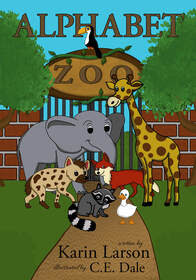
From letters A to Z
furry faces are here to see. 
Living in cages and ponds
or feathered friends in a tree, 
explore a zoo of exciting animals
from land, air, and sea. 


ABCs from the Bible helps children learn the alphabet using examples tied to the Bible. The author's words and the artist's illustrations bring the ABCs to life. The back pages give more information for adults to share with their youngsters.


The teacher’s idea for celebrating the 100th day of school excites everyone. While the other students share their ideas for 100 unique things, Freckle Face Fred doesn’t. Join the celebration to discover what Fred finds unique.


Have you ever seen anything besides rain, hail, or snow fall from the sky? When the Sky Falls, Duck takes you on a trip to all kinds of places and shows you unusual things that have fallen from the sky and explains why.


Concepcion loves TV, but she has to sit close to see the screen. She holds her books close to her face to read. Her teacher seats her in the front row to copy her spelling words from the blackboard. When she gets a chance to look through her Papa's glasses, she decides that must be the answer. She wants to get glasses so she can see better. But first her eyes need to be tested, a new experience to be faced."


Eleven-year-old Kate Taylor dreams of being the star of her basketball team, Angels. When Kate's tooth is knocked out at one of the games, and her mother, who is also her coach, says she can't play until the tooth the dentist replants heals, Kate's dreams are in jeopardy. Add Emily, the new girl at school who claims she's the best, and Kate faces a challenge to prove that she is the star. ​

Will Kate succeed? Or will Emily ruin Kate's plans?

To purchase these and other titles from 4RV Publishing, please visit our online catalog at http://www.4rvpublishing.com/full-book-cover-catalog.html 

Tuesday, August 8, 2023

Marketing Plan for Holiday Season Book Selling


Vivian's post about attending book fairs, festivals, and craft shows reminded me that fall is coming, and before we know it, the holidays will be here. It is estimated that one in four books is sold during the holiday season. 

Have you started your holiday season marketing plan? If not, here are some ideas to get you started. 

  • Make sure all your book descriptions are current 
  • Update your author bio
  • Verify links to purchase your books are operational (broken links disappoint potential readers)
  • Schedule your social media posts in weekly or monthly blocks
  • Plan emails to your readers with giveaways for their loyal readership
  • Check your local paper for selling opportunities like craft fairs 
  • Prepare a budget for paid advertising
  • Order your book supply for events early so that you have them in time 
  • Create or order promotional materials for events ahead of time
Making sure you have a plan and ordering books and supplies early will help you have a successful holiday book selling season.  


Cheryl C. Malandrinos is a freelance writer and editor. She is the author of four children’s books including, A Christmas Kindness, released by 4RV Publishing. A blogger and book reviewer, she lives in Massachusetts with her husband and three adult children. Visit Cheryl's website at https://ccmalandrinos.com or her children’s book blog at https://childrensandteensbookconnection.wordpress.com

Book Fairs, Festivals, Craft Shows


    Authors face a difficult task AFTER they finish a book and it's published. What could that be, you say? Promoting and selling those books. Yes, authors are expected to promote and help sell their books even if they go through a traditional publisher. So, how does one do that? Book fairs, festivals, and craft shows offer an opportunity for authors to sell books and pocket more of the profit.

    Where does a writer find a fair, festival or show? Look around the community, ask people, talk to other authors for suggestions. In my small community, several towns near by have harvest festivals each fall. The one in the town closest to me offers spaces at reasonable prices. The last year I attended, even with not nice weather, I sold quite a large number of books. Plus, I met people who wanted to know how to find my books and how to know when a new one came out. I had currents sales and possible future ones.

    One thing I discovered, having a booth at a festival that doesn't feature books and authors or at a craft show bring in more sales than having a book at a book festival or any event with more than four or five authors. With a large number of authors selling books at the same place and time, customers often go to the authors they know or whose names are familiar. Therefore, customers are overwhelmed with the large number of offerings.

    One author I know goes to some event almost every weekend, and he no longer has to work another job. He sells hundreds to thousands of dollars in books each event. It can be done.

    Authors who have their books at a festival, fair, or show need to remember to interact with the attendees. No, I don't mean waylay them and try to twist their arms to buy. First, be friendly. Ask people passing by what they like to read. When they tell their interests, guide them to books you have that meet one of their interests. If you don't have a genre they prefer, tell them just a bit about what you write and tell them where they might find what they prefer. You may not sell one of your books, but you will impress someone who may tell someone about your books. If nothing else, they will be amazed at your honesty.

    Promoting and selling your books may not be among your favorite things to do. You may hate marketing, but to be successful, you must. If James Patterson, as famous as he is, must promote his books, those of us not in the same lofty sales bracket must do much more than he does. Therefore, we need to find opportunities. Books fairs, festivals, and craft shows can be what works for you.


                                                                Vivian Zabel
                                                                Author, editor, publisher
                                                                VivianZabel.website


Tuesday, July 25, 2023

Summer Reading with 4RV Publishing


One of the recommended ways to stop the summer slide--a loss of learning gains during the summer months--is for your child to read at least 20 minutes a day. Here are some reading suggestions from the 4RV Publishing Bookstore


Simon thinks his skin is bo-rrring. Simon doesn't like boring. So, he “tries on” different skins, and to his surprise, each comes with its own challenge. Simon soon makes a pleasant discovery about his own skin.


Irma wanted a puppy, a pet she could take on walks, not a few stupid guppies. Fish don't do anything, except roll over on their backs if they die. Sometimes, though, a girl has to make the most of what she has. Now, what can Irma do with three guppies besides stare at them as they stare at her.


A young duck, who enjoys things like riding waves, can become quite lonely. Louie didn’t have any friends except two cousins, who didn’t like to ride waves. When Mr. and Mrs. Goose’s grandson, Gus, comes to live with them, Louie promises Mrs. Goose that he will be Gus’ friend. But, can Louie finally have a friend, one who doesn’t think he’s odd because he is different? Can being different be all right?


From letters
furry faces are here to see.

Living in cages and ponds
or feathered friends in a tree,

explore a zoo of exciting animals
from land, air, and sea.


No one called her anything but Dog, but she had food, water, and a warm place. She got to go for rides with the wind blowing in her face. She had a boy who played with her. She was happy.

One day, the man said, “Come on, Dog, let’s go for a ride.”

She ran and jumped through the open door onto the back seat. She thought maybe they would go to the dog park. How exciting.

When the car stopped, the man got out and opened the door. “Get out, Dog.”

She jumped out and sat waiting, but he told her to stay and climbed back into the car and drove away. 

She barked and ran after the car.

The car drove too fast for her to catch.

She sat and waited. No one came back. She grew hungry and cold and afraid. What could she do? Why didn’t her people want her anymore? What would happen to her?


Eleven-year-old Kate Taylor dreams of being the star of her basketball team, Angels. When Kate's tooth is knocked out at one of the games, and her mother, who is also her coach, says she can't play until the tooth the dentist replants heals, Kate's dreams are in jeopardy. Add Emily, the new girl at school who claims she's the best, and Kate faces a challenge to prove that she is the star. ​

Will Kate succeed? Or will Emily ruin Kate's plans?

To learn more about these and other books by 4RV Publishing , please visit us online at http://www.4rvpublishing.com

Sunday, July 16, 2023

Congratulations to 4RV Publishing's President Vivian Zabel for Cupid Awards Win!


Please join us in congratulating Vivian Zabel, President of 4RV Publishing, on her recent Cupid Awards win! The Cupid Awards are overseen by the Oklahoma Romance Writers Guild. Zabel's unpublished short story, "And the Winner is..." took the top honor in the Non-romance with Strong Romantic Plot category. 

To learn more about Vivian and her books, please visit her website at http://www.vivianzabel.website or her author page on the 4RV Publishing website at http://www.4rvpublishing.com/vivian-zabel.html

Tuesday, July 11, 2023

Writing Superpowers - Foreshadowing & Eliminating Inconsistencies


Today, we wrap up our conversation about writing superpowers. Let's discuss ways to keep readers engaged when characters act out of character and how eliminating inconsistencies in a manuscript creates a better story.  

Have you ever been fully into a book when suddenly your main character does something you would never expect? Does it make you sit up and say, "What just happened? They would never do that!" 

Why do readers feel taken aback when a character acts "out of character?" 

First, readers feel a connection with the main character. They invest time and energy in getting to know that character's thoughts, actions, and motivations. The connection breaks when the character acts in a way they don't expect. An interruption in an established pattern can lead readers to feel betrayed. 

Second, unexpected behavior can seem random if it's not properly foreshadowed. 

Foreshadowing provides a hint of what is coming. Whether it be direct foreshadowing that openly suggests a problem or plot twist, or indirect foreshadowing that drops clues that lead to a revelation for the reader, recommended rules are that foreshadowing be relevant to the plot, subtle so that it creates anticipation or suspense, and properly timed so the reveal is satisfying to readers. 

For eliminating inconsistencies, type out character worksheets and a brief or detailed outline. The spelling of characters' names and their physical descriptions can be as hard to keep track of over a 250+ page novel as the sequence of events from beginning to end. Draw a simple map to remember where each building in your fictional town is located (especially important if you're planning a series). 

How did you enjoy traveling through these writing superpowers? Is there another topic you would like us to cover? Just for fun, are you a plotter or a panster? 


Cheryl C. Malandrinos is a freelance writer and editor. She is the author of four children’s books including, A Christmas Kindness, released by 4RV Publishing. A blogger and book reviewer, she lives in Massachusetts with her husband and three adult children. Visit Cheryl's website at https://ccmalandrinos.com or her children’s book blog at https://childrensandteensbookconnection.wordpress.com
Wednesday, June 28, 2023

Writing Superpowers - Point of View


Today, we continue our conversation about writing superpowers. I'm a huge fan of deep point of view. As a reader, I like to get inside my character's heads and figure out why they act the way they do. That's why it's easy for me to find unintended point of view shifts in manuscripts I edit.

What is point of view?

As Merriam-Webster defines it, point of view determines who is telling the story and what the narrator's relationship is to the characters in the story. The most common points of view are: first person, second person, third person limited, and third person omniscient. Let's look at each of these. 

First Person - narrator is a person in the story

Since the narrator is a character in the story, the reader experiences the events that unfold from their point of view. This creates a close and immediate connection between narrator and reader. It is, however, limited to what the narrator sees, and their descriptions can be tainted by their mood, experiences, and opinions. This point of view also lends itself to exposition and summarization instead of fully developed scenes.

Example: Phlegm rattles in my throat. Each breath claws at my chest, burdened by the weight of my ragged coughs. Beads of sweat trace fiery trails down my cheeks, as if the scorching prairie sun lives inside me. I can’t stop now. John needs the money tomorrow.

Second Person - narrator is speaking directly to the reader 

Second person point of view allows the reader to become a character in the story. Just like first person, second person creates a close connection between narrator and reader. Where they differ is in first person, the reader experiences the story through the narrator's eyes, but in second person, the reader experiences the story through their own eyes. 

The challenge with this point of view is that the writer must create a character any reader can relate to or see themselves as being. Though it can create a close connection between narrator and reader, sometimes, it is more distancing to the reader. 

Example: Phlegm rattles in your throat. Each breath claws at your chest, burdened by the weight of your ragged coughs. Beads of sweat trace fiery trails down your cheeks, as if the scorching prairie sun lives inside you. You can’t stop now, you think. John needs the money tomorrow.

Third Person Limited - narrator tells the story from a single character's point of view

In third person limited, the reader is told a story from a single character's point of view. All the narrator knows are the thoughts and feelings of the protagonist. The story develops around this main character. It can be more distancing to the reader, who is limited to the experiences of this one character. 

Example: Phlegm rattled in his throat. Each breath clawed at his chest, burdened by the weight of his ragged coughs. Beads of sweat traced fiery trails down his cheeks, as if the scorching prairie sun lived inside him. I can’t stop now, he thought. John needs the money tomorrow. 

Third Person Omniscient - narrator knows everything

In third person omniscient, the narrator can share the entire story without the bias of a single character's point of view. They can have their own voice and can share details they know that the characters might not be aware of. While this point of view offers flexibility to the writer, it can distance the reader. And, hopping from character to character can create confusion. 

Example: Phlegm rattled in his throat. Each breath clawed at his chest, burdened by the weight of his ragged coughs. Beads of sweat traced fiery trails down his cheeks, as if the scorching prairie sun lived inside him. He couldn't stop now. John needed the money tomorrow.  

What is your favorite point of view to read and to write? What are your biggest struggles with writing from your chosen point of view?


Cheryl C. Malandrinos is a freelance writer and editor. She is the author of four children’s books including, A Christmas Kindness, released by 4RV Publishing. A blogger and book reviewer, she lives in Massachusetts with her husband and three adult children. Visit Cheryl's website at https://ccmalandrinos.com or her children’s book blog at https://childrensandteensbookconnection.wordpress.com